Roof leaks
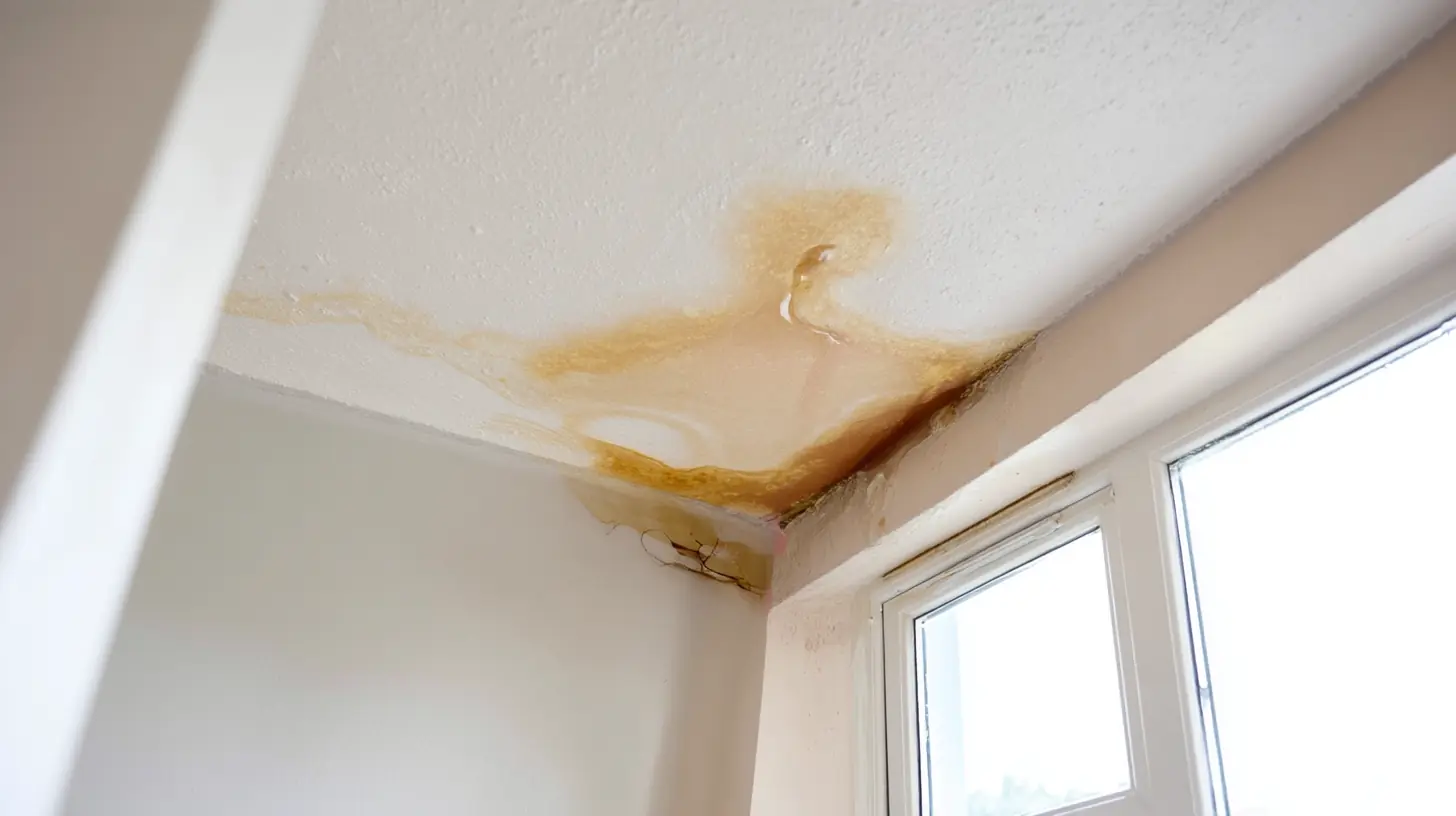
Water may enter at a slate, tile, flashing, valley, chimney or flat-roof detail. A ceiling mark is not always directly below the source because water can travel along underlay or timbers.
Read about roof leak repairs
Straightforward guidance to help you spot roofing problems, understand your options and decide when a roof inspection is sensible.
You do not need to diagnose a roof before asking for help. A recent change, a mark after rain or something that looks out of place is enough to begin.
Water may enter at a slate, tile, flashing, valley, chimney or flat-roof detail. A ceiling mark is not always directly below the source because water can travel along underlay or timbers.
Read about roof leak repairsAfter strong wind or heavy rain, look safely from ground level for displaced materials, a changed ridge line, loose guttering or new debris below the roof edge.
Read about storm damage repairsKeeping rainwater routes clear and arranging an inspection when the roof changes can help identify local work before water reaches the building.
Read about roof inspectionsDo not climb onto the roof to investigate a problem. From a safe position, compare the roof with how it normally looks and pay attention to anything that has changed after wind or rain.
If the problem follows a particular wind direction or only appears during prolonged rain, make a note of that. The pattern can help narrow down the part of the roof that needs inspection.
The condition of the wider roof matters more than the size of the first visible symptom.
A local repair may be appropriate when one slate, tile, flashing, valley or ridge detail has failed and the surrounding roof remains serviceable.
The repair should still consider the materials and water route around the fault rather than simply cover the first visible gap.
Maintenance may be appropriate where the covering is generally sound but gutters, mortar, flashings or other exposed details need attention.
Regular observation from ground level can also make gradual changes easier to recognise.
Replacement may be worth considering where faults are widespread, repairs keep recurring or the roof covering and its supporting layers are approaching the end of their workable life.
A survey helps establish whether that wider scope is proportionate.
Ayr and South Ayrshire roofs regularly face Atlantic wind and driven rain. A small opening at a ridge, verge, chimney or flashing can be tested repeatedly when the weather comes from an exposed direction.
Check for new indoor marks, material on the ground, visibly displaced coverings and overflowing rainwater goods. Keep people away from any loose material and arrange an inspection rather than approaching it yourself.
Tell us what you have noticed and where the property is. You do not need to diagnose the roof yourself.