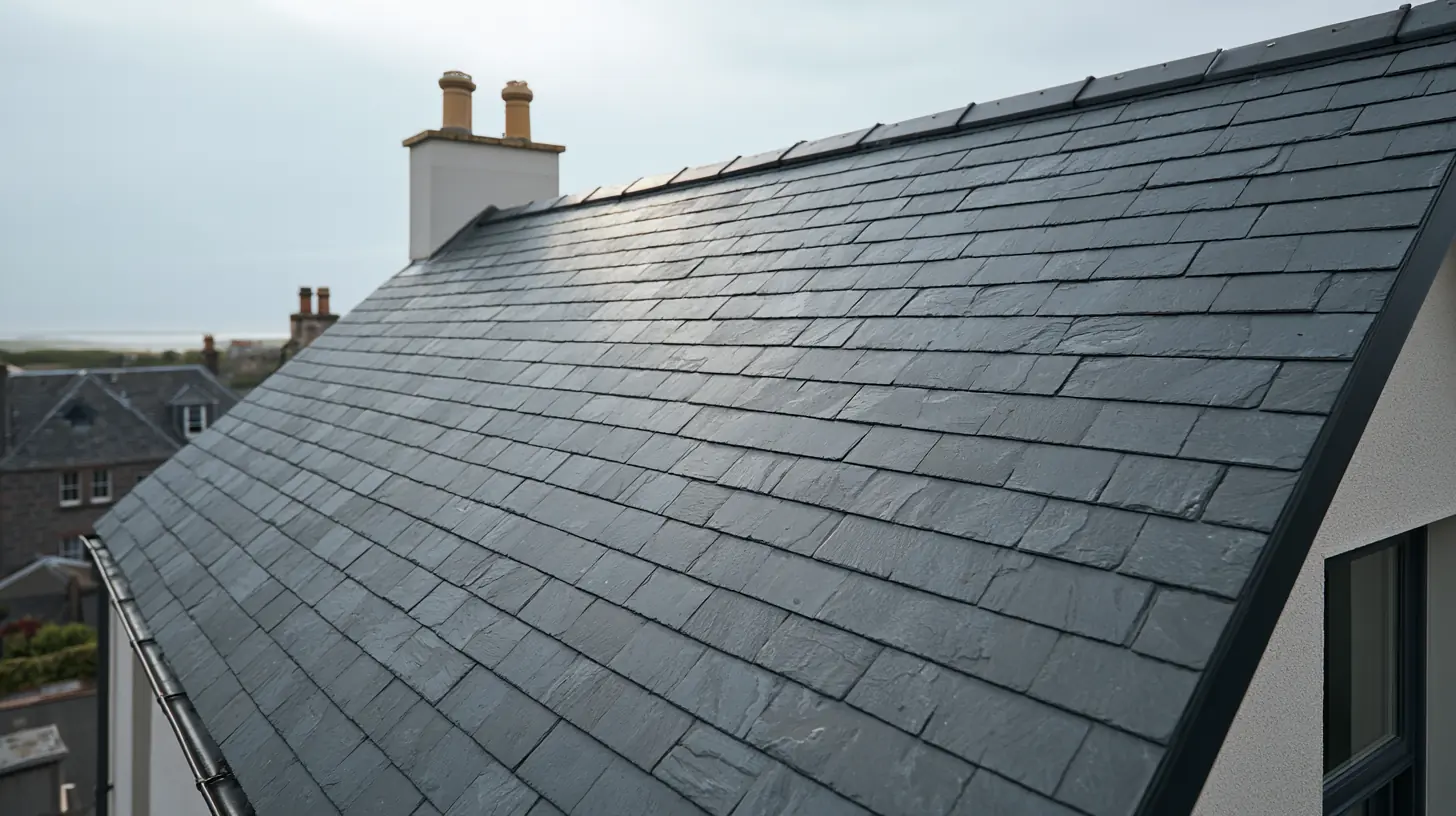
Broken, slipped or missing tiles
Damaged or displaced roof tiles can interrupt the way water is shed and expose the supporting layers beneath.
Key points
- Replace damaged tiles.
- Check fixings and underlay.
- Inspect adjoining courses.

What does your tiled roof need?
A single cracked or slipped tile can be straightforward to replace, but it is worth checking the course around it and the underlay beneath it as well.
If the fault is connected to a ridge, verge or valley, or the tiles are failing across a wider area, we take that into account before recommending a local repair or planned replacement.
We also consider whether the roof uses concrete or clay tiles, since the tile profile, roof pitch and condition of the battens and underlay all affect a sound match.
These are the main tile repair, replacement and material considerations for an Ayr roof.
Damaged or displaced roof tiles can interrupt the way water is shed and expose the supporting layers beneath.
Replacement may involve one failed tile, a damaged area or wider renewal where the existing covering is no longer serviceable.
Tile material, profile, weight and appearance should suit the existing roof, its pitch and Ayr's coastal exposure.
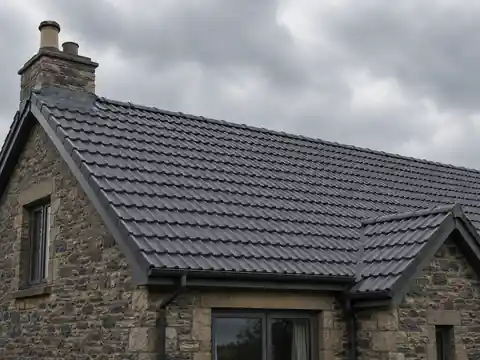
A tile repair starts with the visible break, gap or movement, then checks the roof course and adjoining detail around it. It should not assume that the first failed tile is the full extent of the issue.
Where practical, we match the replacement tile and choose a fixing approach that suits the existing roof.
For a planned tiled roof, the specification considers the tile choice, roof pitch, underlay, battens, ridges, hips, valleys, verges, eaves and relevant flashing or roofline details.
When faults are widespread, the condition of the full roof should be compared with the cost and lifespan of continued local repairs.
For more detail, see New roofs and roof replacement.
Many Ayr suburbs have concrete tile roofs, while some homes use clay tile. Sound ridges, verges and drainage details are important.
Tile choice, roof pitch, covering area, access, structure and the condition of flashings and roofline parts affect the specification.
Concrete and clay tiles come in different profiles and weights, so replacement materials must suit the pitch, battens, underlay and existing ridge, verge and valley details.
A single tile can sometimes be replaced where the surrounding roof remains serviceable, but the nearby course and supporting detail should be checked too.
They differ in material, appearance and characteristics, so the existing roof and planned work should guide the suitable option.
Yes. A tiled roof replacement considers the tile covering and the roof details that support drainage and weather protection.
Tile type, the number and position of damaged units, safe access and any faults in the battens, underlay, ridge, verge or valley affect the quotation.
Tell us what you have noticed, where the property is and which service seems closest.